Your Guide to Belmont Painting Services
Transform Your Space: A Detailed Guide to Home Painting Approaches and Suggestions
Revitalizing a living space through interior painting is simultaneously a creative endeavor and a technical process. Picking the right colors can impact the mood of a room, while appropriate preparation and techniques are vital for achieving a professional finish. Understanding the tools and methods involved is necessary for any homeowner looking to elevate their environment. What certain strategies can help guarantee the best results in this transformation?
Selecting the Ideal Colors for Your Space
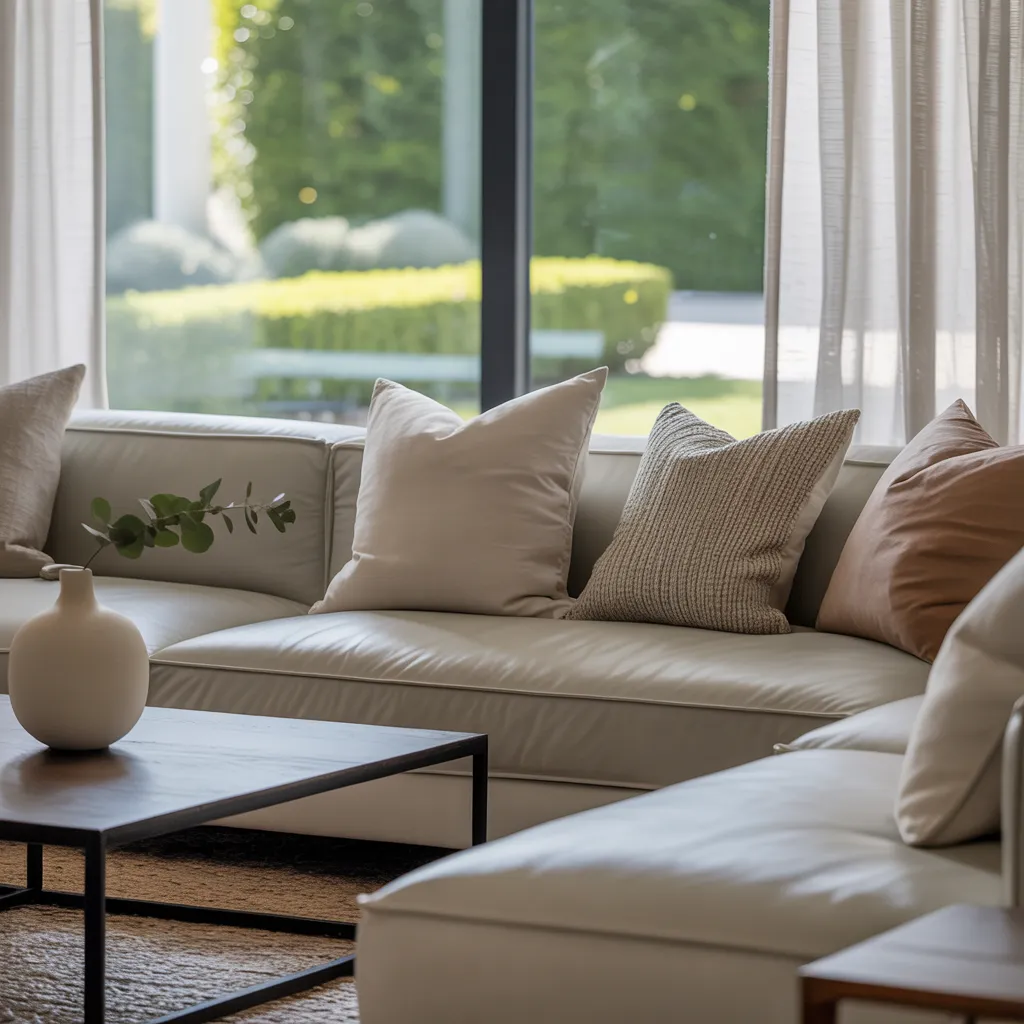
How does selecting the right color alter a room's feel? Color profoundly affects both mood and how we perceive spaces. Warm colors, such as reds and yellows, can create energy and warmth, making spaces feel inviting and vibrant. In contrast, cool tones including blues and greens usually create peaceful and calming effects, ideal for relaxation areas such as bedrooms or reading nooks.
Furthermore, lighter shades can make a room appear more spacious, while darker tones can add intimacy. Understanding the function of each room is vital; for example, an inspiring workspace could benefit from stimulating hues, while a dining area could feature rich, warm colors to encourage appetite and conversation.
Ultimately, the choice of color should reflect personal style while taking into account the emotional responses they evoke. By thoughtfully selecting colors, one can greatly enhance the overall ambiance of any space, making it uniquely inviting.
Necessary Items and Resources for Indoor Paint Jobs
While choosing the perfect colors is essential for transforming a space, having the proper tools and materials is equally important for a prosperous interior painting project. Basic tools include premium paintbrushes, rollers, and trays, which enable even application and coverage. A robust ladder guarantees safe access to elevated areas, while painter's tape helps achieve clean lines and protect surfaces.
Besides tools, the selection of materials plays a significant role. Selecting the right type of paint—whether matte, satin, or semi-gloss—depends on the room's function and desired aesthetic. Paint primer is also necessary, as it enhances adhesion and color vibrancy. Don't forget drop cloths to shield furniture and flooring from spills, and a paint can opener for convenience. Finally, having a reliable ventilator mask and gloves guarantees safety and comfort throughout the painting process. Investing in these essentials can significantly elevate the quality of the finished result.
Prepping Your Walls for a Pristine Finish
Before paint application, proper wall prep is vital for attaining a flawless finish. This process begins with cleaning the walls to remove dust, grease, and additional contaminants that could affect adhesion. A mild detergent solution can successfully remove surface grime. Next, it is important to check the walls for defects such as cracks, holes, or peeling paint. These should be addressed using appropriate materials like spackle or joint compound, followed by sanding the repaired areas to achieve a smooth surface. Moreover, it is advisable to apply a primer, specifically on new or repaired surfaces, as it increases paint adhesion and ensures even color application. Finally, tape off edges, outlets, and trim to safeguard these areas from paint splatters. With meticulous wall preparation completed, the stage is set for a successful painting project, establishing the foundation for a beautiful finish.
Learning Painting Techniques for High-Quality Results
Attaining professional results in interior painting necessitates mastering a selection of techniques that improve both the application process and the final appearance. One fundamental technique is the use of the right brush or roller for different surfaces; a high-quality brush can provide precision for corners and edges, while rollers are ideal for larger areas. Additionally, understanding the criticality of paint consistency is essential; thinning the paint can aid in smooth application and even coverage.
A crucial technique encompasses the practice of cutting in, which enables clean lines where walls meet ceilings or trim. Correctly using multiple thin coats rather than one thick coat ensures durability and a more polished finish. Employing painter's tape effectively can also stop unwanted marks on adjacent surfaces. Ultimately, learning to control the timing and pressure applied during painting can considerably determine the final outcome, allowing for a professional-looking finish that transforms the space.
Maintaining Your Recently Painted Interior Walls
After the paint has set and the transformation is finished, preserving the freshly painted walls becomes essential for maintaining their look and lifespan. Regular dusting with a gentle cloth or microfiber duster helps avoiding dirt collection, which can diminish the finish over time. For intensive cleaning, a gentle soap solution is recommended; however, harsh chemicals should be avoided as they can damage the paint.
It is also recommended to address scuffs and scratches quickly with excess paint to preserve a consistent look. Homeowners should keep an eye on high-traffic areas, as these are more prone to wear. In addition, using coasters and protective mats can help safeguard walls from stains and moisture. Finally, regulating humidity levels avoids mold growth, which can negatively impact painted surfaces. Applying these tips can ensure that newly painted walls keep their beauty for years to come.
Popular Questions
How Long Until Paint Completely Cures?
Usually, paint takes roughly 2 to 4 weeks to totally cure, influenced by factors like humidity, temperature, and paint type. Sufficient ventilation and adherence to manufacturer's instructions can influence the curing process substantially.
Can You Paint Over Existing Wallpaper?
Painting over wallpaper is examination possible, but it's important to confirm the wallpaper is well-bonded and in proper condition. Adequate surface prep and selecting the appropriate paint type will deliver optimal results.
How Should I Handle Paint Spills on My Carpet?
If paint spills onto the carpet, quick action is necessary. Dab the location softly with a wet cloth, utilizing mild detergent or carpet cleaning product, and avoid scrubbing to stop further fiber deterioration.
How Can I Tell if My Walls Need Priming?
Wall surfaces may need priming if they present uneven texture, stains, or discoloration. Additionally, previously unpainted surfaces or drastic color changes often require primer to provide adequate bonding and a uniform finish for the topcoat.
Can You Safely Paint Indoors During Winter?
Indoor painting during winter can be safe, as long as there's proper ventilation. Low temperatures and humidity levels may affect drying times and paint adhesion, so a space heater or dehumidifier can help ensure optimal conditions.